Flexiv's TDK | Teleoperation Made Simple
Welcome to the Flexiv TDK (Teleoperation Development Kit) documentation site. This site provides a user manual, API reference, and Q&A to help you setup and integrate TDK.
What is Flexiv TDK?
Flexiv TDK is an SDK for building custom robot-to-robot or device-to-robot teleoperation applications with Flexiv's adaptive robots. It enables synchronized, force-guided motion using high-fidelity perceptual feedback and supports both LAN (Local Area Network) and WAN (Internet) connections.
TDK boasts a wide range of application scenarios in fields including Embodied AI Data Acquisition, radiation medicine, and hazardous chemical experiments.
TDK in Real-World Applications


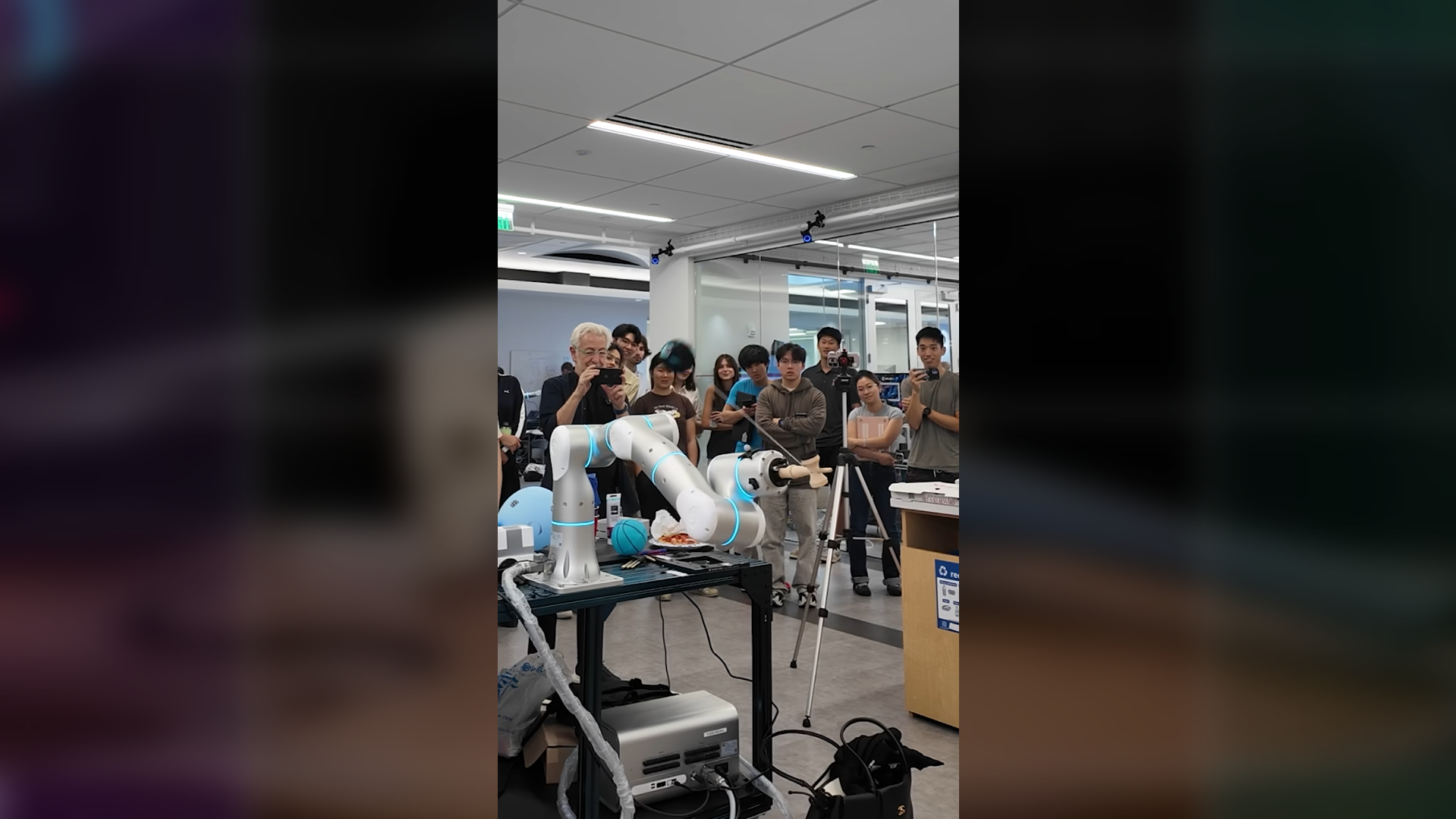

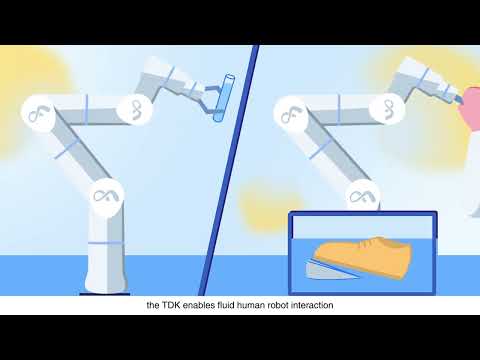
🎬 Flexiv's TDK | Teleoperation Made Simple

Contact-Rich Manipulation Benchmarks
Flexiv TDK has been recognized on the Manipulation Net Peg-in-Hole Leaderboard. The Manipulation Net is a public benchmark for robotic manipulation in the real world at scale with any robot at any time and anywhere. This provides external evidence for the contact-rich manipulation capability relevant to TDK use cases, including compliant insertion, alignment, and force-sensitive teleoperation workflows.
Key Features
- High Fidelity Perceptual Feedback: 100% tactile feedback transparency ensures the fidelity of human operation.
- Cross-border long-distance teleoperation: Flexible network configurations for both LAN and WAN.
- Better Physical Human-Robot Interaction: The leader robot can be repositioned or reoriented at any time. Upon re-engagement, only relative motion is mapped—no absolute pose constraints.
- Selective Cartesian Constraints: Constrain motion along specific directions for faster, more precise task execution.
- Robust Force/Moment Protection: Prevents damage to the robot and workpiece while ensuring intrinsic safety during contact.
Quick Links
Documentation Structure
- User Manual: Setup, installation and operational guidance.
- API Reference: Doxygen-generated C++ API documentation.
- Q&A: Common questions and troubleshooting tips.
Note: The API reference is generated via Doxygen and published on GitHub Pages together with this site.